Introduction
Apple’s first iPhone Fold is no longer a concept sketch or a wishful rumor. It is in trial production. Dummy units have leaked. Bloomberg’s Mark Gurman has confirmed a September 2026 reveal alongside the iPhone 18 Pro lineup. Search interest has surged 300% in early 2026 — and for good reason. This is the biggest design shift in iPhone history.
Table of Contents
- Introduction
- What Apple Has Confirmed (and What Leaks Reveal)
- The Real Trade-Offs: What Apple Gave Up to Make It Work
- Should You Buy the iPhone Fold at Launch? A Clear-Eyed Decision Guide
But here is what the headlines are glossing over: the price will likely exceed $2,000, Face ID is gone, and the software is a true first-generation effort. Before you start saving, it is worth knowing exactly what you are getting — and what Apple deliberately left out. This article breaks down the confirmed specs, the real compromises, and whether buying at launch actually makes sense for you.
—
What Apple Has Confirmed (and What Leaks Reveal)
The details are coming from credible sources, and the picture is becoming clearer. Here is what we know.
Design, Display & Name: Book-Style, 7.8 Inches, and Possibly ‘iPhone Ultra’
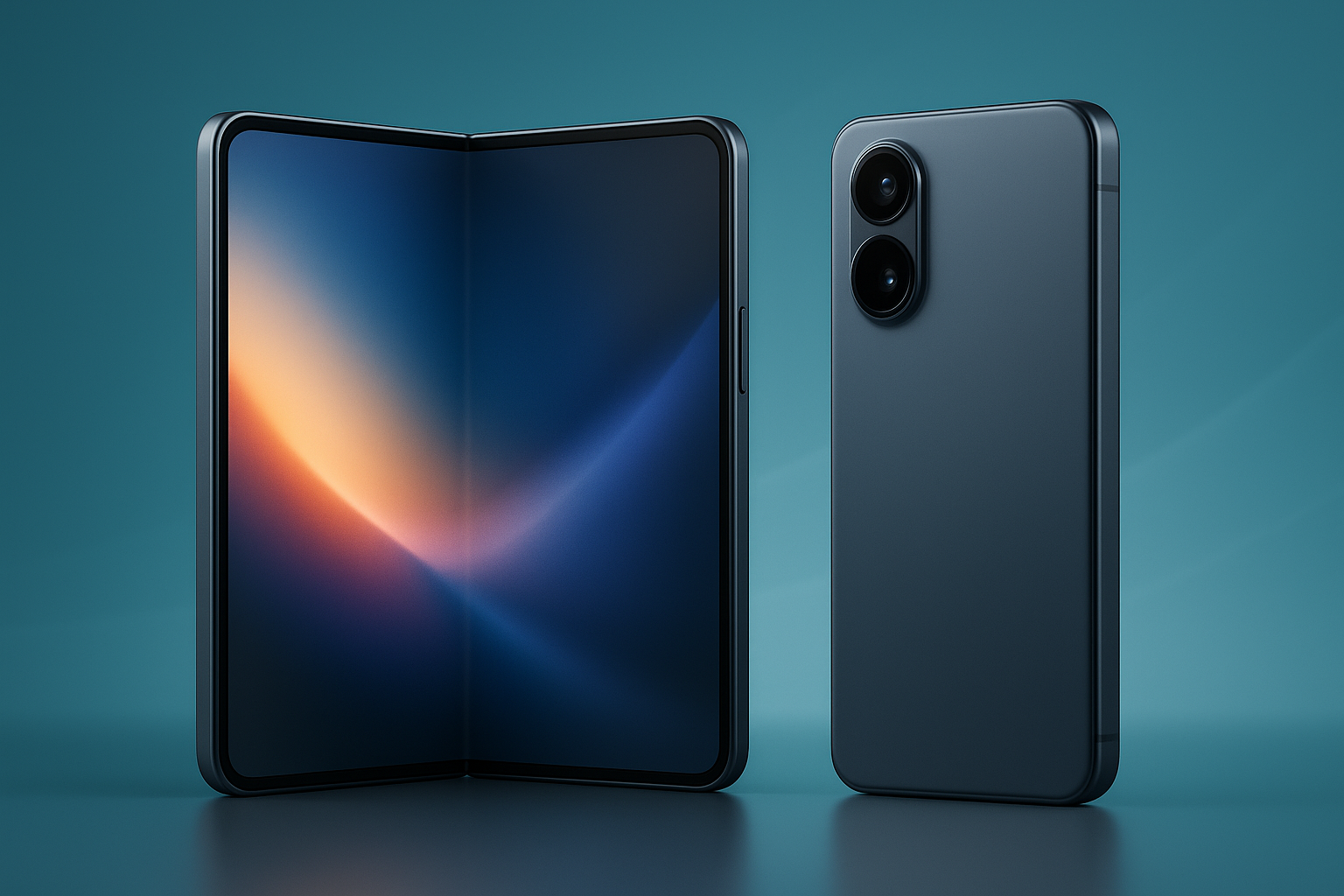
Apple took a different approach than Samsung from the start. The iPhone Fold uses a wider-than-tall 4:3 book-style design — closer to an open paperback than a tall narrow panel. The outer display measures approximately 5.5 inches. Unfold it, and you get a 7.76-inch inner OLED screen with a noticeably minimized crease.
That crease reduction is a genuine engineering achievement. Apple reportedly spent years on hinge design to make it less visible than anything on the current market.
On naming: do not assume “iPhone Fold” is official. Multiple credible leakers, including Gurman, suggest Apple may call it the iPhone Ultra — placing it above the Pro Max in the lineup and deliberately distancing it from Samsung’s Galaxy Fold branding. The name signals intent: this is a luxury tier, not just a form-factor experiment.
Key Specs: A20 Chip, Touch ID, Dual Cameras & a Record Battery
Under the hood, the specs are largely flagship-level — with two notable exceptions.
- Chip: Apple’s A20, expected to lead the iPhone 18 generation
- Battery: 5,000–5,500mAh, the largest ever in an iPhone
- Biometrics: Touch ID in the power button (no Face ID)
- Cameras: Dual-camera system only — no telephoto lens
The battery size is genuinely impressive for a foldable. The missing telephoto and Face ID are deliberate trade-offs driven by the device’s thin profile. Apple chose thinness and foldability over camera depth — a decision that will frustrate some buyers and not bother others at all.
—
The Real Trade-Offs: What Apple Gave Up to Make It Work
Every first-generation Apple product involves compromises. The iPhone Fold’s are specific and worth understanding clearly.
Software Reality: iOS 27 Foldable Mode vs. iPadOS Expectations
The iPhone Fold runs iOS 27, not iPadOS. That distinction matters more than it sounds. There is no Stage Manager. No true windowed multitasking. No side-by-side apps the way iPad power users expect.
Apple is building a foldable interface from scratch, and developers are still adapting their apps to support it. At launch, app optimization will be inconsistent. Samsung has a seven-year head start in foldable software — that gap does not close overnight. If you are buying this device expecting an iPad replacement, you will likely be disappointed on day one.
Supply, Price & Launch Timing: Why Getting One at Launch Will Be Hard
Even if you want to pay for it, getting one may not be straightforward. Mass production is projected to begin in August 2026, leaving a razor-thin window before a September announcement. Analyst Ming-Chi Kuo estimates only 3–5 million units will ship in all of 2026.
For context, Apple sells that many iPhones in a slow week. Starting price estimates range from $2,000 to $2,399, making this the most expensive iPhone ever. Expect limited retail availability, long wait times, and no guarantee of launch-day stock — even if you pre-order.
—
Should You Buy the iPhone Fold at Launch? A Clear-Eyed Decision Guide
This is the question that actually matters. The answer depends entirely on who you are.
Buy It If: You Are an Apple Ecosystem Power User Who Wants Day-One Access
If you live inside Apple’s ecosystem — iPhone, iPad, Mac, Apple Watch — and you want a tablet-phone hybrid that fits in your pocket, the iPhone Fold makes a compelling case. Counterpoint Research projects Apple could capture 46% of the North American foldables market in 2026, which suggests the category has real momentum.
Early adopters carry real value here. You get a historic device and genuine bragging rights. Just go in clear-eyed about the software limitations.
Wait If: You Expect Pro-Level Cameras, Face ID, or Mature App Support
For most people, waiting is the smarter move. A second-generation iPhone Fold — expected around 2027, near the iPhone’s 20th anniversary — will almost certainly add Face ID, a telephoto lens, and a far more mature foldable software experience.
If cameras matter to you, if Face ID is non-negotiable, or if you simply cannot justify $2,000+ for version 1.0, the 2027 model will serve you better in every measurable way.
—
Frequently Asked Questions
What is the release date for the iPhone Fold?
Apple is expected to announce the iPhone Fold in September 2026 alongside the iPhone 18 Pro lineup. However, due to supply constraints, customer availability may slip to late 2026 or early 2027.
How much will the iPhone Fold cost?
Most credible analysts and leakers place the starting price between $2,000 and $2,399, making it the most expensive iPhone ever sold. Final pricing will be confirmed at Apple’s September event.
Will the iPhone Fold have Face ID?
No — the device is too thin to accommodate the TrueDepth camera system required for Face ID. Apple is replacing it with Touch ID embedded in the power button, similar to the current iPad Air.
What will the iPhone Fold actually be called?
While “iPhone Fold” is widely used by media, Bloomberg’s Mark Gurman and other credible sources suggest Apple may officially name it iPhone Ultra to signal premium positioning above the Pro Max line.
How does the iPhone Fold compare to the Samsung Galaxy Z Fold 7?
The iPhone Fold uses a wider 4:3 aspect ratio versus Samsung’s taller design, with a reportedly less-visible crease — but it lacks a telephoto camera and launches with first-generation foldable software versus Samsung’s seven-year-refined ecosystem.
—
Conclusion
The iPhone Fold is a landmark product — genuinely new, genuinely ambitious, and genuinely compromised in ways Apple will fix by generation two. The crease is largely solved, the battery breaks records, and the book-style form factor stands apart. But Face ID, telephoto photography, and mature app support are real absences, not minor footnotes. If you are an early adopter who wants to be part of history, it is worth the premium. For everyone else, the smarter iPhone Fold is the one arriving in 2027 — and it will be worth the wait.
Leave a Reply