Introduction
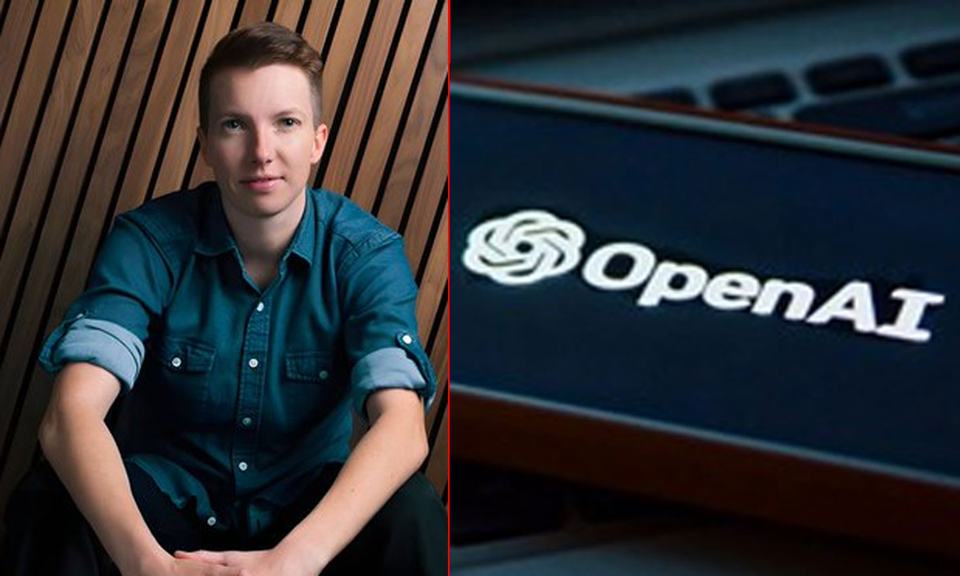
When Caitlin Kalinowski walked away from her role leading OpenAI’s robotics division on March 7, 2026, she didn’t mince words about why. The OpenAI Pentagon deal, she argued, had been rushed through without adequate safeguards against domestic surveillance and autonomous weapons systems. Her departure sent shockwaves through Silicon Valley and Washington alike.
Table of Contents
- Introduction
- The Resignation: Why OpenAI’s Robotics Leader Walked Away
- OpenAI vs Anthropic: Contrasting Approaches to Pentagon Partnerships
- Industry-Wide Implications for AI Ethics and Governance
Kalinowski’s resignation crystallizes a debate that’s been simmering in AI labs for years: How far should tech companies go in supporting military applications? The timing couldn’t be more significant. Her exit comes just weeks after the Department of Defense designated competitor Anthropic as a supply-chain risk for refusing similar terms. What seemed like an arcane corporate dispute has quickly become a defining moment for AI ethics in America.
The Resignation: Why OpenAI’s Robotics Leader Walked Away
Kalinowski’s Stated Concerns
Kalinowski didn’t leave quietly. In her resignation letter, which she shared publicly, she pointed to specific red lines that deserved more deliberation. Chief among them: surveillance of Americans without judicial oversight and lethal autonomy without human authorization.
“These aren’t abstract philosophical questions,” she wrote. “They’re concrete decisions about how our technology will be deployed on American soil and in combat zones.” Her concern wasn’t that OpenAI had agreed to work with the Pentagon. Rather, she believed the company had moved too fast, without establishing clear enforcement mechanisms for its stated ethical boundaries.
Timeline of Events Leading to Departure
The sequence of events paints a picture of mounting internal tension. In late January, news broke of Anthropic’s supply-chain designation after their negotiations collapsed. Within two weeks, OpenAI announced its own Pentagon partnership, emphasizing similar safeguards against mass surveillance and fully autonomous weapons.
Kalinowski reportedly raised concerns in internal meetings about the vague language in the agreement’s oversight provisions. When those concerns weren’t addressed to her satisfaction, she tendered her resignation. The entire timeline—from Anthropic’s designation to Kalinowski’s departure—spanned barely six weeks, underscoring how rapidly the landscape shifted.
OpenAI vs Anthropic: Contrasting Approaches to Pentagon Partnerships
Anthropic’s Red Lines and Supply-Chain Designation
Anthropic drew a hard line in negotiations. The company refused any language that would permit AI systems to facilitate mass domestic surveillance or operate as fully autonomous weapons without meaningful human control. According to sources familiar with the discussions, Defense Department officials pushed back, arguing such restrictions would severely limit the technology’s utility.
When Anthropic wouldn’t budge, the Pentagon responded with a supply-chain risk designation—a label typically reserved for foreign adversaries. The move stunned industry observers. It sent an unmistakable message: cooperate on our terms or face consequences.
OpenAI’s Agreement Terms and Backlash
OpenAI’s approach appeared more conciliatory. The company announced its Pentagon partnership with language acknowledging concerns about surveillance and lethal autonomy. However, critics immediately questioned whether these safeguards had real teeth. The agreement lacked specific oversight mechanisms or independent auditing requirements.
The timing drew particular scrutiny. Was OpenAI seizing a market opportunity created by Anthropic’s refusal? Or had the company genuinely negotiated stronger protections behind closed doors? The lack of transparency fueled speculation. Several AI researchers publicly questioned whether OpenAI’s stated red lines were enforceable or merely aspirational.
Industry-Wide Implications for AI Ethics and Governance
Employee and Consumer Response
The market’s reaction was swift and unmistakable. ChatGPT uninstalls surged 295% in the week following the Pentagon deal announcement. Meanwhile, Anthropic’s Claude AI became the top App Store download, suggesting consumers were voting with their feet on AI military ethics.
Inside major AI labs, employees watched closely. Over 30 researchers from OpenAI and Google DeepMind filed a joint statement supporting Anthropic’s lawsuit challenging its supply-chain designation. This cross-company solidarity was unprecedented. It revealed that concerns about military AI applications transcended corporate loyalties.
Future of AI Military Partnerships
Kalinowski’s resignation may mark a turning point. Companies can no longer assume that lucrative government contracts outweigh reputational risks. The autonomous weapons debate has moved from conference rooms to the public square. Future partnerships will face intense scrutiny from employees, customers, and civil liberties advocates.
The Defense Department faces its own reckoning. Heavy-handed tactics like the Anthropic designation risk alienating the very companies whose technology it needs. Finding a middle ground—one that addresses legitimate national security needs while respecting ethical boundaries—won’t be easy. But the alternative is a fragmented AI ecosystem where the most capable companies refuse to participate.
Conclusion
Kalinowski’s resignation over the OpenAI Pentagon deal exposes fundamental tensions in how America develops and deploys artificial intelligence. The stakes extend far beyond one executive’s career decision. They touch on questions of privacy, autonomy, and accountability that will shape the technology landscape for decades.
The path forward requires more than corporate ethics statements. It demands transparent governance frameworks with real enforcement mechanisms, meaningful congressional oversight, and ongoing public dialogue about acceptable uses of AI in military and surveillance contexts. The technology is advancing rapidly. Our institutions must catch up before trust erodes beyond repair.
Leave a Reply