Introduction
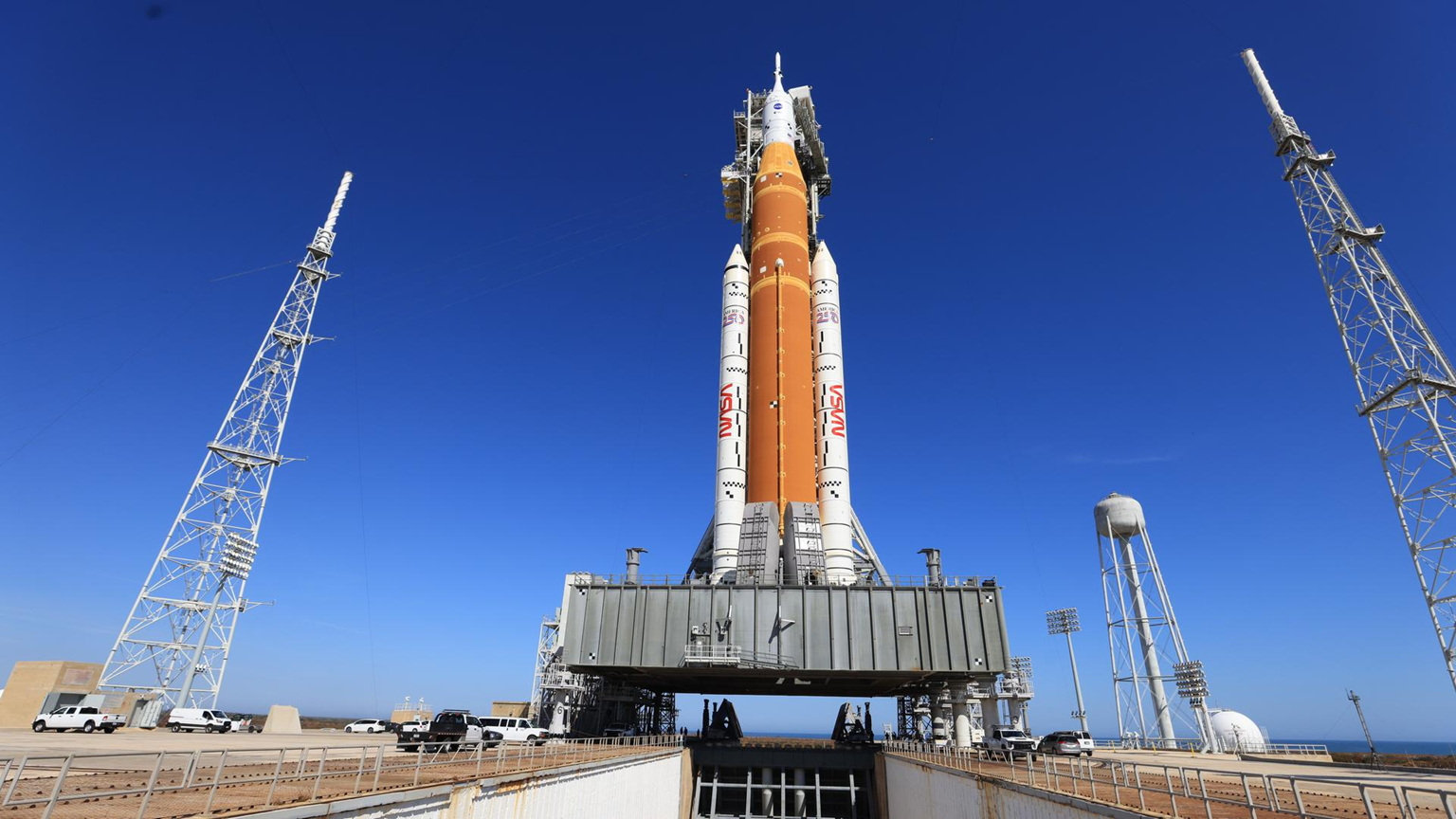
Just when everything seemed to be going right, NASA’s ambitious return to the moon hit an unexpected snag. Following a successful fueling test on February 19, engineers discovered a helium flow interruption in the Space Launch System rocket—a problem serious enough to send the towering vehicle back to its hangar and push the Artemis II delay into April 2026.
Table of Contents
- Introduction
- What Went Wrong: The Helium Flow Issue Explained
- Timeline of Events: From Success to Setback
- Broader Impact: What This Means for Artemis Program
The setback stings particularly hard because it comes after months of preparation and a flawless wet dress rehearsal. Four astronauts who have trained relentlessly for this historic mission now face another wait. For a space agency trying to reclaim its lunar legacy after more than five decades, every delay amplifies questions about whether America can still execute the kind of bold missions that once defined its space program. The helium issue may seem minor compared to rocket engines or heat shields, but in spaceflight, even small problems can have catastrophic consequences.
What Went Wrong: The Helium Flow Issue Explained
How the SLS Helium System Works
Helium plays a crucial yet invisible role in rocket launches. The Space Launch System uses helium to pressurize the massive tanks containing liquid hydrogen and oxygen propellants. Without proper pressurization, these cryogenic fuels won’t flow correctly to the engines during launch.
The helium system also maintains environmental conditions for the interim cryogenic propulsion stage engine, which will fire to send Artemis II toward the moon. Think of helium as the respiratory system of the rocket—it keeps everything flowing and breathing properly. When that flow gets interrupted, even briefly, engineers can’t guarantee the system will perform flawlessly during the actual launch. And with four human lives aboard, guarantees matter more than schedules.
Why the Problem Surfaced After Testing
The timing of the helium flow interruption raises important questions. The issue didn’t appear during the wet dress rehearsal itself, which simulated the entire launch countdown sequence. Instead, engineers detected the problem overnight on February 21, during routine post-test operations.
This suggests the culprit might be ground-to-rocket interfaces, valves, or filters rather than the core rocket systems. These components experience different stresses during disconnection and safing procedures than during the test itself. NASA engineers now face the challenge of diagnosing a problem that only manifests under specific operational conditions—like trying to find an intermittent car problem that never happens when the mechanic is looking.
Timeline of Events: From Success to Setback
The Successful Wet Dress Rehearsal
February 19 marked a genuine victory for the Artemis team. The wet dress rehearsal—essentially a full launch countdown with real propellants but no ignition—proceeded with minimal issues. This success felt especially sweet considering the first attempt had encountered hydrogen leaks that required months of repairs.
The test validated critical systems, demonstrated improved seals, and proved the ground crew could safely fuel the massive rocket. As propellant flowed into the core stage and upper stage tanks, NASA officials expressed confidence that March launch dates remained achievable. The four-person crew likely felt the mission becoming tangibly real. Just 48 hours later, that optimism evaporated.
Discovery and Decision to Roll Back
The helium flow interruption emerged during what should have been routine post-test procedures. NASA Administrator Jared Isaacman, who took the helm just weeks earlier, quickly assessed the situation and made the call: roll the rocket back to the Vehicle Assembly Building for repairs.
The decision eliminated any possibility of launching in March. Moving the 322-foot-tall rocket and mobile launcher back to the VAB requires days of careful work. Once inside, engineers need time to access the helium system, diagnose the exact problem, implement fixes, and retest everything. The April 2026 launch window of April 1-6 now represents the earliest humanity might return to lunar orbit—assuming no additional issues surface during repairs.
Broader Impact: What This Means for Artemis Program
Artemis III Landing Mission Timeline
The Artemis II delay creates a domino effect across the entire program. Artemis III, which aims to land astronauts on the lunar surface for the first time since 1972, was already facing challenges with SpaceX’s Starship lunar lander development. Now, with Artemis II pushing into late 2026, a lunar landing mission before 2028 seems increasingly unlikely.
This extended timeline means the gap between Apollo 17 and America’s next moon landing will stretch to at least 56 years. For perspective, the gap between the Wright Brothers’ first flight and Neil Armstrong’s moonwalk was just 66 years. The delay also raises questions about international partnerships—Canada, Japan, and European nations have contributed to Artemis, and schedule uncertainty tests diplomatic patience and budget commitments.
Pattern of Technical Challenges
This marks the third major delay for Artemis II, and patterns matter. Earlier issues included heat shield concerns from Artemis I’s uncrewed test flight and persistent hydrogen leaks during ground operations. Each problem gets resolved, but new ones emerge with frustrating regularity.
These challenges reflect a hard truth: NASA is relearning how to conduct deep-space human exploration after decades focused on low Earth orbit operations. The shuttle program and International Space Station taught valuable lessons, but lunar missions demand different technologies and tolerances. Some experts argue these delays, while frustrating, demonstrate proper engineering discipline. Others worry they signal deeper issues with contractor oversight and systems integration across the massive Artemis supply chain.
Conclusion
The Artemis II delay to April 2026 certainly tests patience, but it also demonstrates NASA’s unwavering commitment to crew safety over arbitrary deadlines. Reid Wiseman, Victor Glover, Christina Koch, and Jeremy Hansen will fly when the systems are truly ready, not a moment sooner. The helium issue may seem minor, but in human spaceflight, overlooking small problems has led to catastrophic failures before.
As engineers work through this latest challenge, the fundamental promise of Artemis remains intact: humanity will return to the moon, establish sustainable exploration capabilities, and eventually reach Mars. The path just keeps getting longer than anyone hoped. Whether that’s wise caution or systemic dysfunction depends on who you ask—and what happens next.
Leave a Reply