Introduction
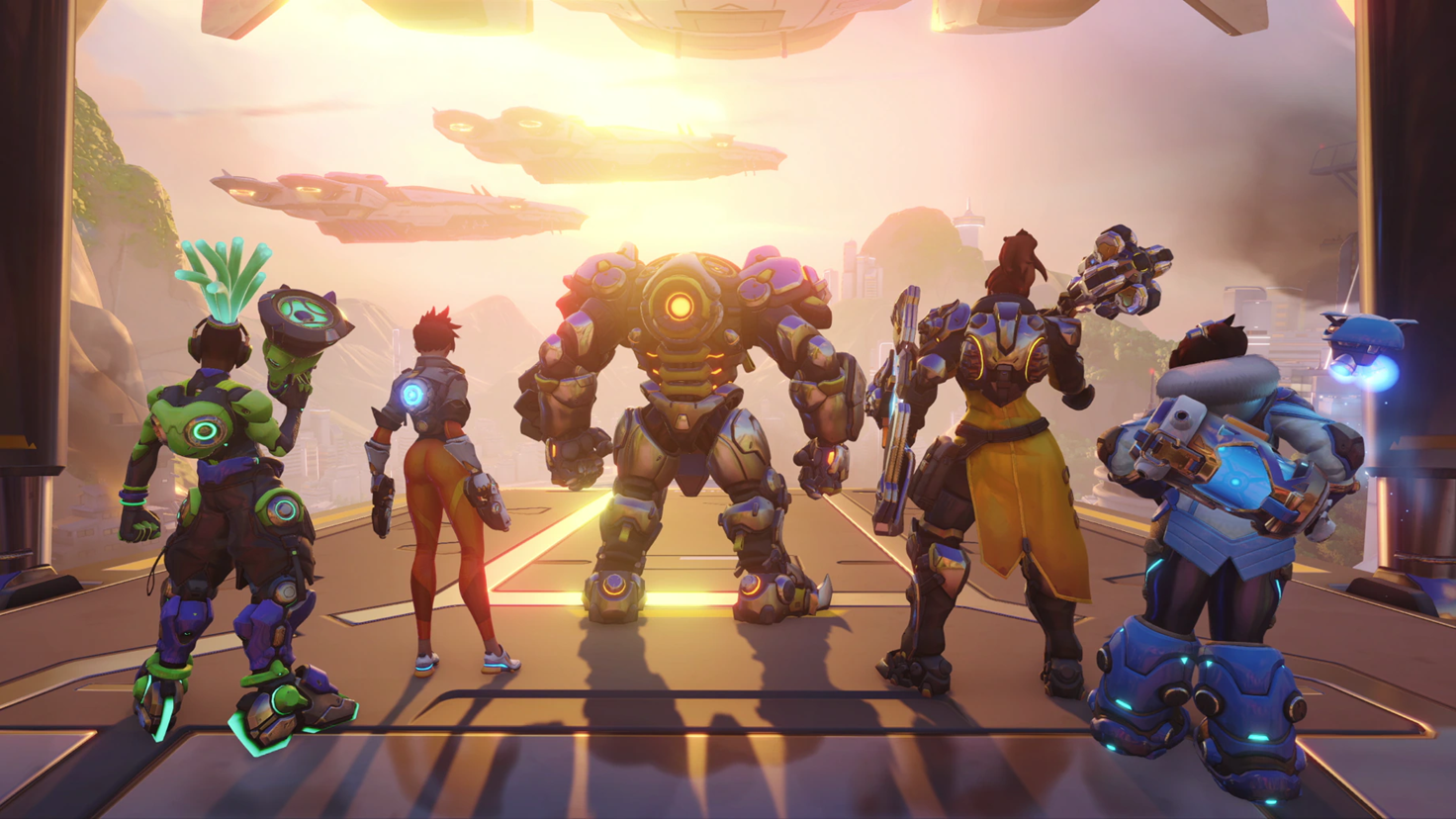
Blizzard just dropped the most ambitious update in Overwatch history. The Overwatch patch notes for February 10, 2026 don’t just tweak numbers or add a single hero—they fundamentally reshape the game you thought you knew. Five heroes launched simultaneously. The “2” disappeared from the title. A completely redesigned UI greets you at login. And the entire year’s content roadmap centers around a sprawling Reign of Talon narrative that promises ten total heroes before 2027 arrives.
Table of Contents
- Introduction
- Five New Heroes: Abilities, Roles, and Meta Impact
- Sub-Role System and Passive Reworks Explained
- UI Overhaul, Conquest Event, and Season 1 Content
This isn’t your typical seasonal refresh. Whether you’re a competitive grinder analyzing the new meta, a lapsed player curious about the rebrand, or someone who simply saw “Jetpack Cat” trending and needed answers, these patch notes demand attention. The sub-role passive system alone changes team composition strategy more than any balance patch from the past three years. Let’s break down every major change so you can adapt quickly and understand exactly what Blizzard’s new direction means for your gameplay.
Five New Heroes: Abilities, Roles, and Meta Impact
Jetpack Cat & Support Heroes: Tactical Analysis
Jetpack Cat delivers on years of community requests with a permanently airborne support hero who never touches the ground. As the flagship Tactician sub-role hero, this feline operates fundamentally differently than traditional supports. The tow ability lets you attach to allies and reposition them—imagine saving overextended teammates or creating unexpected angles for your Widowmaker. The Catnapper ultimate might seem cute until you realize it creates environmental kill opportunities on maps like Ilios, forcing enemies off cliffs with a well-timed sleeping dart.
Mizuki joins as the second support addition, rounding out diverse healing options. These two heroes signal Blizzard’s commitment to making support play more dynamic and less about standing behind barriers. Early meta predictions suggest Jetpack Cat’s aerial positioning will counter dive compositions while creating vulnerability to hitscan damage. The Tactician passive—storing up to 25% excess ultimate charge for faster consecutive ults—means skilled players will chain game-changing abilities more frequently than ever before.
DPS and Tank Additions: Domina, Emre, and Anran Breakdown
The DPS roster expands with Anran and Emre, offering drastically different playstyles. Anran introduces fire damage mechanics and a self-resurrection ultimate that mirrors Phoenix-style gameplay from other competitive shooters. This resurrection ability will dominate overtime scenarios and point contests where staying alive matters more than securing kills. Emre brings precision burst rifle gameplay with an Override Protocol transformation ultimate that completely changes his kit mid-fight, rewarding players who master two distinct combat modes.
Domina fills the tank slot with abilities designed to counter the mobile DPS heroes that have dominated recent seasons. While Blizzard hasn’t fully detailed every ability, early testing reveals crowd control options that shut down high-mobility flankers. Tank players finally have fresh options beyond the Reinhardt-versus-Winston debate that’s defined the role for too long. These three heroes, combined with the support additions, suggest Blizzard wants every role to feel equally exciting to play—addressing the persistent tank shortage that’s plagued competitive queues.
Sub-Role System and Passive Reworks Explained
How Sub-Roles Change Team Composition
The sub-role system divides Tank, DPS, and Support into specialized categories with unique passive abilities that affect ultimate charge rates and core mechanics. Instead of all supports playing identically at the fundamental level, Tacticians now store excess ultimate charge while other sub-roles receive different bonuses. This creates meaningful choices during hero selection—do you want faster consecutive ultimates or other strategic advantages?
Each sub-role impacts your ultimate economy differently. Coordinating sub-role selections across your team now matters as much as picking counters to enemy heroes. A team with multiple Tacticians can chain ultimates more reliably, but sacrifices whatever passives other sub-roles provide. This depth rewards communicative teams while giving solo queue players new strategic dimensions to master beyond mechanical skill alone.
Tactician vs Other Support Sub-Roles
Tacticians store up to 25% ultimate charge beyond the standard 100%, meaning after using an ultimate, your next one charges faster if you performed well previously. This snowball potential makes Tactician supports incredibly powerful during winning team fights. Jetpack Cat and other Tactician heroes essentially get rewarded for dominating, amplifying advantages when your team is already ahead.
Other support sub-roles likely receive different passive bonuses focused on survivability, healing efficiency, or damage amplification, though Blizzard hasn’t fully disclosed all sub-role categories yet. The asymmetric design means certain supports will excel in different team compositions and on specific maps. Understanding these sub-role synergies will separate average players from those who climb ranks quickly throughout Season 1.
UI Overhaul, Conquest Event, and Season 1 Content
Complete UI/UX Changes and Navigation Updates
The Overwatch UI received its most dramatic overhaul since launch. You’re immediately greeted by 3D hero models in the main lobby instead of flat menus, creating a more premium feel that matches modern live-service competitors. The top-screen PLAY button redesign streamlines navigation, reducing the clicks needed to queue for matches. Notification hubs consolidate patch notes, event updates, and social messages into a single accessible location instead of scattering information across multiple tabs.
Blizzard also confirmed the post-match accolade system returns later in 2026, addressing community feedback about wanting more recognition for supportive plays beyond final blows. The redesigned menus feel faster and more responsive, particularly when switching between competitive modes and casual playlists. These changes might seem cosmetic, but reduced friction between matches means more time actually playing—exactly what competitive players demanded.
Conquest Faction Event and Reward Structure
The five-week Conquest meta event lets players pledge allegiance to either Overwatch or Talon factions each week, completing challenges for faction-specific rewards. This isn’t just cosmetic roleplay—your choice impacts which challenge tracks unlock and what exclusive items you can earn. The reward structure includes up to 94 lootboxes throughout the event duration, alongside exclusive Echo faction skins that won’t be available through standard progression.
Weekly faction resets mean you’re not permanently locked into one side, encouraging players to experience both narrative perspectives. Challenges range from simple match completions to specific hero performance targets, accommodating both casual and hardcore playstyles. This event structure directly ties into the Reign of Talon year-long story arc, with narrative beats unlocking as community challenges reach milestones. Blizzard is betting that coordinated seasonal storytelling will keep players engaged between hero launches.
Frequently Asked Questions
When did Overwatch Season 1 2026 release?
The Overwatch Season 1 2026 update released February 10, 2026, with pre-download available through the Battle.net launcher starting February 9. Players could download the patch early to jump in immediately when servers went live.
What are the 5 new heroes in Overwatch Season 1?
The five new heroes are Jetpack Cat and Mizuki (Support), Anran and Emre (DPS), and Domina (Tank). All five launched simultaneously and are immediately playable without purchase requirements or battle pass progression.
What is the sub-role system in Overwatch?
The sub-role system divides heroes within Tank, DPS, and Support roles into specialized categories like Tactician, each with unique passive abilities affecting ultimate charge and gameplay mechanics. This creates strategic depth in team composition beyond traditional hero counters.
Is Jetpack Cat available to play now?
Yes, Jetpack Cat launched February 10 alongside all Season 1 heroes and is immediately playable for all players. There’s no unlock requirement, seasonal grind, or premium currency purchase needed to access any of the five new heroes.
What happened to Overwatch 2?
Blizzard rebranded from “Overwatch 2” back to simply “Overwatch” with the Season 1 reset, marking a new story-driven era focused on seasonal narratives. The game retains all previous Overwatch 2 features while dropping the numerical designation.
Conclusion
The February 2026 Overwatch patch notes represent more than balance tweaks—they’re a complete franchise reset. Five simultaneous heroes, fundamental role system changes through sub-role passives, and a cohesive year-long narrative transform seasonal content from disconnected updates into a deliberate roadmap. Mastering Jetpack Cat’s aerial support, understanding Tactician ultimate economy, and engaging with Conquest faction challenges gives you immediate advantages as players adapt to the new meta. With ten total heroes planned for 2026 and the Reign of Talon story just beginning, this is the perfect moment to jump back in or commit seriously to competitive play.
Leave a Reply