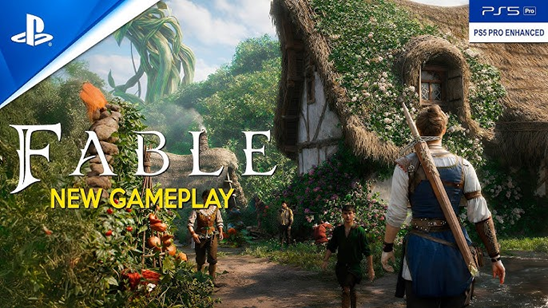
After six years of anxious waiting since its 2020 announcement, Playground Games finally unveiled extensive new Fable gameplay footage at Xbox Developer Direct on January 22, 2026. The reveal answered burning questions about how the Forza Horizon studio would handle one of Xbox’s most beloved RPG franchises, showing a game that honors the original trilogy’s spirit while introducing contemporary mechanics for modern audiences.
The gameplay trailer showcased a reimagined Albion that feels simultaneously familiar and revolutionary. Longtime fans will recognize the whimsical British humor and moral consequences that defined Lionhead Studios’ original vision. But Playground Games has woven in modern open-world design, fluid combat systems, and deep social simulation features that push the franchise into new territory. With a confirmed Fall 2026 release date for Xbox Series X|S, PC, and—for the first time in franchise history—PlayStation 5, this reboot represents the most ambitious entry yet.
Playground’s Vision: Fairytale Philosophy Over Fantasy Tropes
Playground Games has made a conscious decision to return to Lionhead’s original design documents, rediscovering a core principle that the studio believes got diluted over time: Fable is fairytale, not fantasy. This distinction might seem subtle, but it fundamentally shapes every aspect of the reboot’s design philosophy.
British Humor Meets Modern Storytelling
The gameplay footage emphasized personal, intimate stories rather than world-ending threats. You won’t be saving the universe from an ancient evil. Instead, expect tales of mischievous chickens, eccentric villagers, and moral dilemmas that feel ripped from Grimm’s darker fairy tales. The demo showcased a quest involving a merchant convinced his business rival cursed his sheep, leading to absurd escalations that depend entirely on how you choose to intervene.
Playground has hired writers specifically versed in British comedy and folklore. The dialogue showcased at the Developer Direct featured the dry wit and self-aware humor that made the original trilogy memorable. NPCs react to your presence with commentary that ranges from awestruck to deeply skeptical, depending on your accumulated reputation. This commitment to tone feels refreshing in an era where most action RPGs lean heavily into grimdark themes or generic high fantasy.
True Open-World Freedom Without Level Barriers
Perhaps the most significant departure from the original trilogy: Albion is now fully open from the beginning. No invisible walls. No level-gated regions that instantly kill you for wandering too far. Playground Games confirmed that players can technically walk to the game’s final location within the first hour if they’re determined enough.
The studio has implemented adaptive progression systems to make this work. Enemies scale intelligently based on your actions rather than arbitrary level caps. If you rush toward endgame areas, you’ll face challenges designed for your current capabilities, not impossible stat-checks. This approach mirrors what Elden Ring popularized but with Fable’s accessible sensibility. The world feels genuinely explorable, rewarding curiosity without punishing players who prefer guided experiences.
Style Weaving Combat System: Fable’s Modern Evolution
The original Fable trilogy featured the Strength-Skill-Will system, where players developed melee, ranged, and magic abilities separately. The reboot modernizes this concept with style weaving—a combat system that encourages fluid integration of all three disciplines simultaneously.
Fluid Three-Style Combat Integration
Style weaving allows seamless chaining of sword strikes, bow shots, and magic spells without menu delays or rigid loadouts. The gameplay demonstration showed a player stunning an enemy with a lightning bolt, following with a sword flourish to close distance, then finishing with a charged arrow shot to a distant enemy—all in one flowing sequence.
This system rewards creativity rather than forcing specialization. You’re not locked into being “a warrior” or “a mage.” Every hero can access all three styles simultaneously, with progression systems that enhance your favorite approaches without restricting others. Combat encounters become improvisational playgrounds where you respond dynamically to threats. Fighting multiple enemies? Crowd control magic into sweeping melee attacks. Single tough opponent? Precise ranged targeting followed by devastating spell combos.
Enhanced Depth With Stagger Mechanics
Playground Games added tactical depth through stagger systems borrowed from modern action games. Each enemy has a visible stagger gauge that fills as you land hits. Break their guard, and they become vulnerable to devastating finishers that vary based on which style triggered the break.
The combat also features environmental awareness. Dodged attacks don’t simply miss—they can strike other enemies or destructible elements in the environment. The demo showed a player ducking beneath a troll’s club swing, which then demolished a stone pillar that collapsed onto nearby bandits. These interactions create emergent moments that make each encounter feel dynamic rather than scripted. Does this level of interactivity excite you, or do you prefer more structured combat systems?
Living Albion: Reputation Systems and Player Expression
One aspect where the Fable reboot 2026 truly distinguishes itself is in creating a living, reactive world. Playground Games claims to have populated Albion with over 1,000 named NPCs, each with daily routines and evolving opinions about your actions.
Dynamic Reputation Word Clouds Across Settlements
The morality system has evolved beyond simple good-versus-evil binary choices. Instead, your reputation manifests as word clouds that differ across each settlement. The citizens of one village might consider you “heroic” and “generous,” while the next town over labels you “intimidating” and “strange.”
This reputation system tracks witnessed actions. If nobody sees you steal something, your reputation remains intact. But perform heroic deeds publicly, and word spreads organically through NPC conversations. The Playground Games Fable team demonstrated how reputation affects everything from merchant prices to quest availability. Certain characters will only interact with heroes who match specific reputation profiles, encouraging multiple playthroughs to experience all content.
Life Simulation Features Return Enhanced
The franchise’s beloved life simulation elements return with enhanced depth. Property ownership now includes renovation systems where you customize homes before renting them out for passive income. Jobs aren’t simple button-pressing minigames anymore—they’re fully realized activities like blacksmithing with skill progression and reputation effects.
Romance, marriage, and family systems have been expanded significantly. Your character starts as a child, with customization options that carry through to adulthood. The choices you make during childhood sections influence your starting reputation and relationships. You can pursue relationships with numerous NPCs, get married, and raise children who inherit aspects of your appearance and reputation. These systems aren’t obligatory—they’re options for players who want deeper simulation alongside the action RPG core.
Frequently Asked Questions
When does the new Fable release?
Fable launches in Fall 2026 (Autumn 2026 for international audiences) on Xbox Series X|S, PlayStation 5, PC via Steam, and Xbox Game Pass day one. Playground Games hasn’t announced a specific date beyond the seasonal window.
Is the new Fable a remake or sequel?
This is a complete reboot serving as a fresh beginning with no narrative connections to the original trilogy. However, it preserves the franchise’s core identity—British humor, moral consequences, and fairytale aesthetics—while modernizing gameplay systems for contemporary audiences.
What is style weaving in Fable combat?
Style weaving is the new combat system that lets players seamlessly blend melee, ranged, and magic attacks in fluid combinations without switching modes or managing rigid loadouts. It replaces the original trilogy’s separated Strength-Skill-Will progression with integrated, improvisational combat.
Will Fable have a morality system?
Yes, the reboot features an evolved reputation system where your actions create different “word cloud” reputations across settlements based on what NPCs witness. This affects prices, quest availability, and NPC interactions, moving beyond simple binary good-versus-evil choices.
Can you play Fable on PlayStation 5?
Yes, this marks the first time in franchise history that Fable releases simultaneously on PlayStation 5 alongside Xbox and PC platforms. This represents Microsoft’s evolving multiplatform strategy following their recent policy shifts.
Conclusion
The new Fable gameplay reveals Playground Games’ confidence in creating their own vision while respecting what made the franchise special. By returning to the “fairytale not fantasy” philosophy, implementing style weaving combat, removing artificial barriers from Albion’s open world, and deepening reputation systems, this reboot feels both familiar and fresh. Whether you’re a longtime fan who’s been waiting since 2020’s announcement or a PlayStation user experiencing Fable for the first time, Fall 2026 can’t come soon enough. Playground Games has shown they understand what makes Albion magical—now we’ll see if they can deliver on that ambitious promise.
Leave a Reply